Artists’ Rights Project

For the painter.

About ARP

The Artists’ Rights Project (ARP) is a trust that offers free legal support to artists in India who cannot otherwise afford it. We also research issues that affect artists, and run workshops to help artists understand their rights.

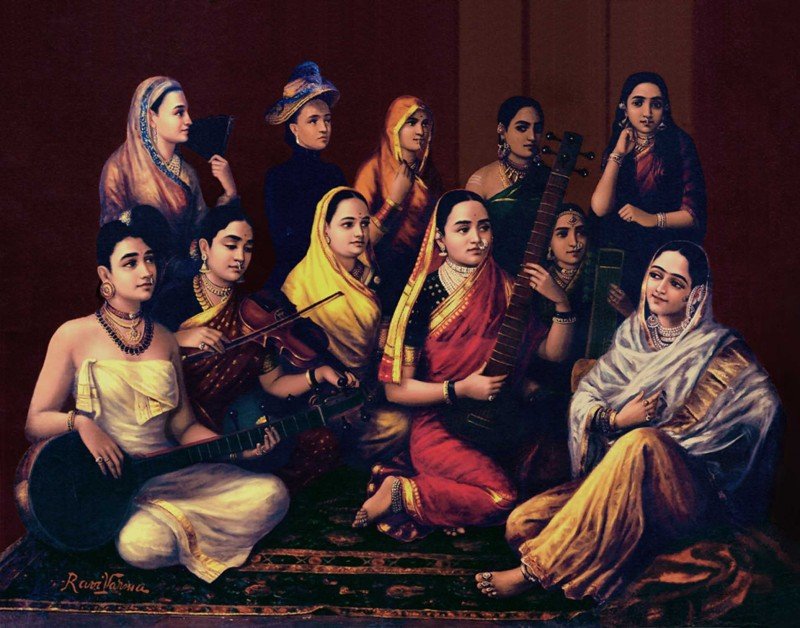
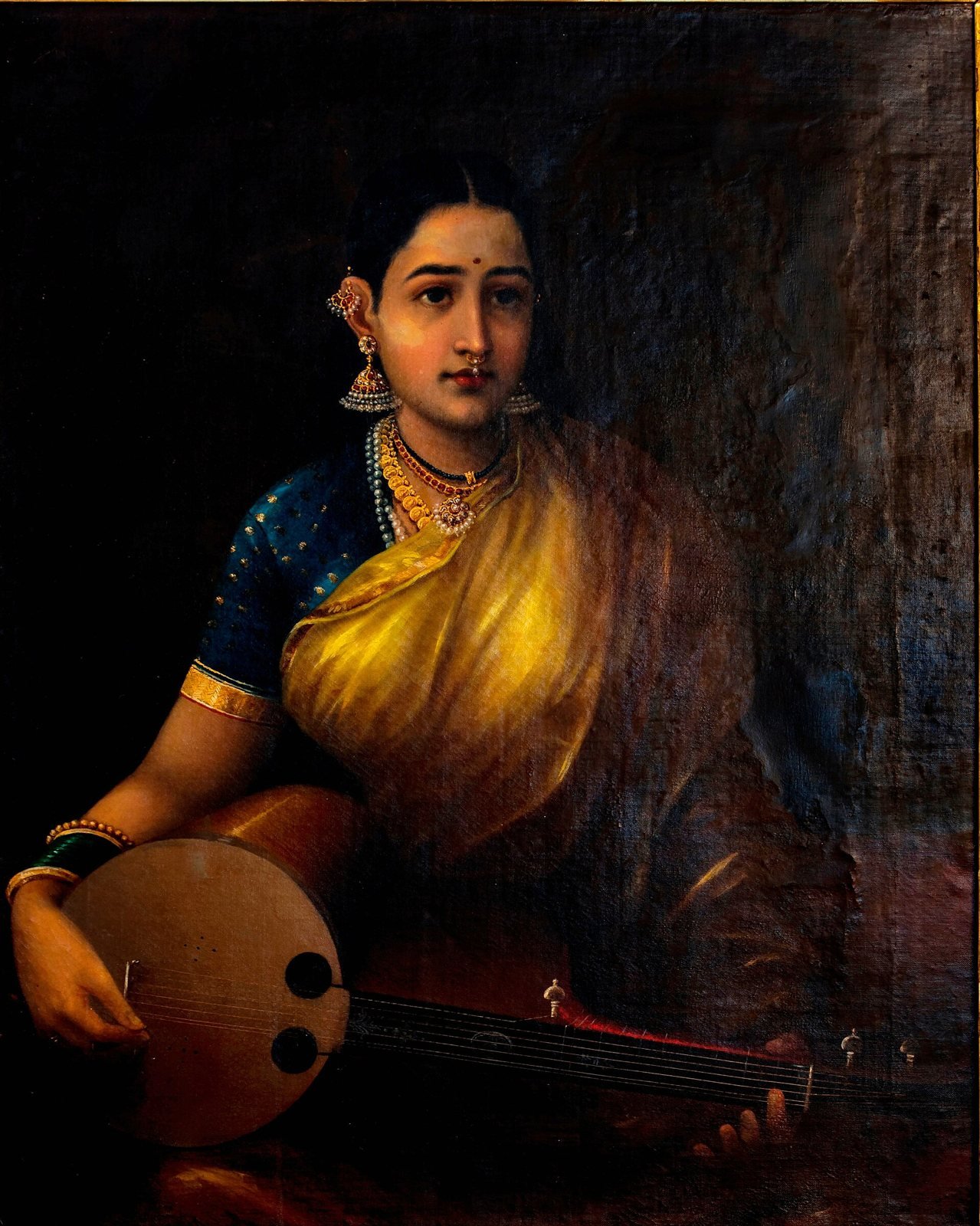
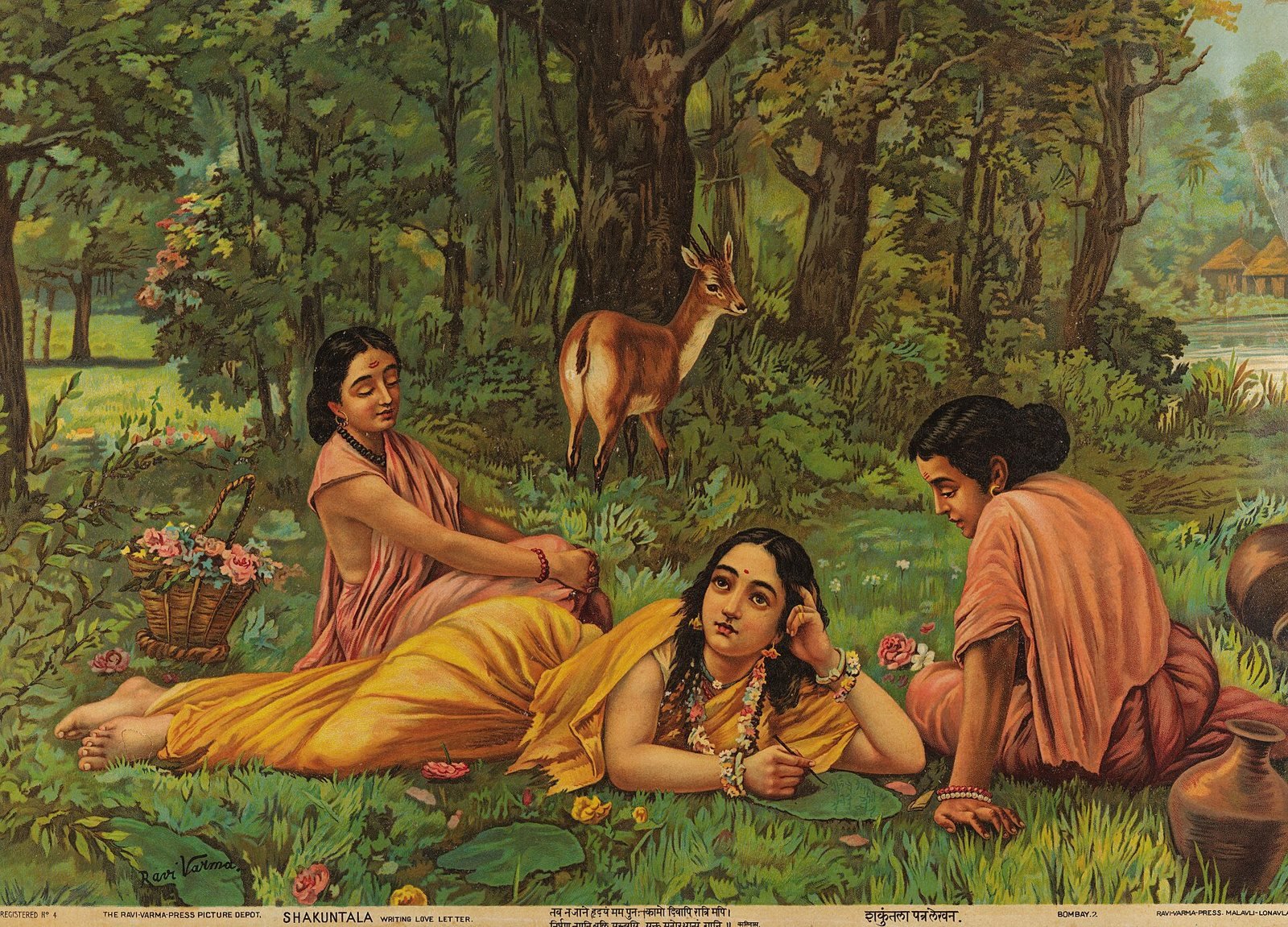
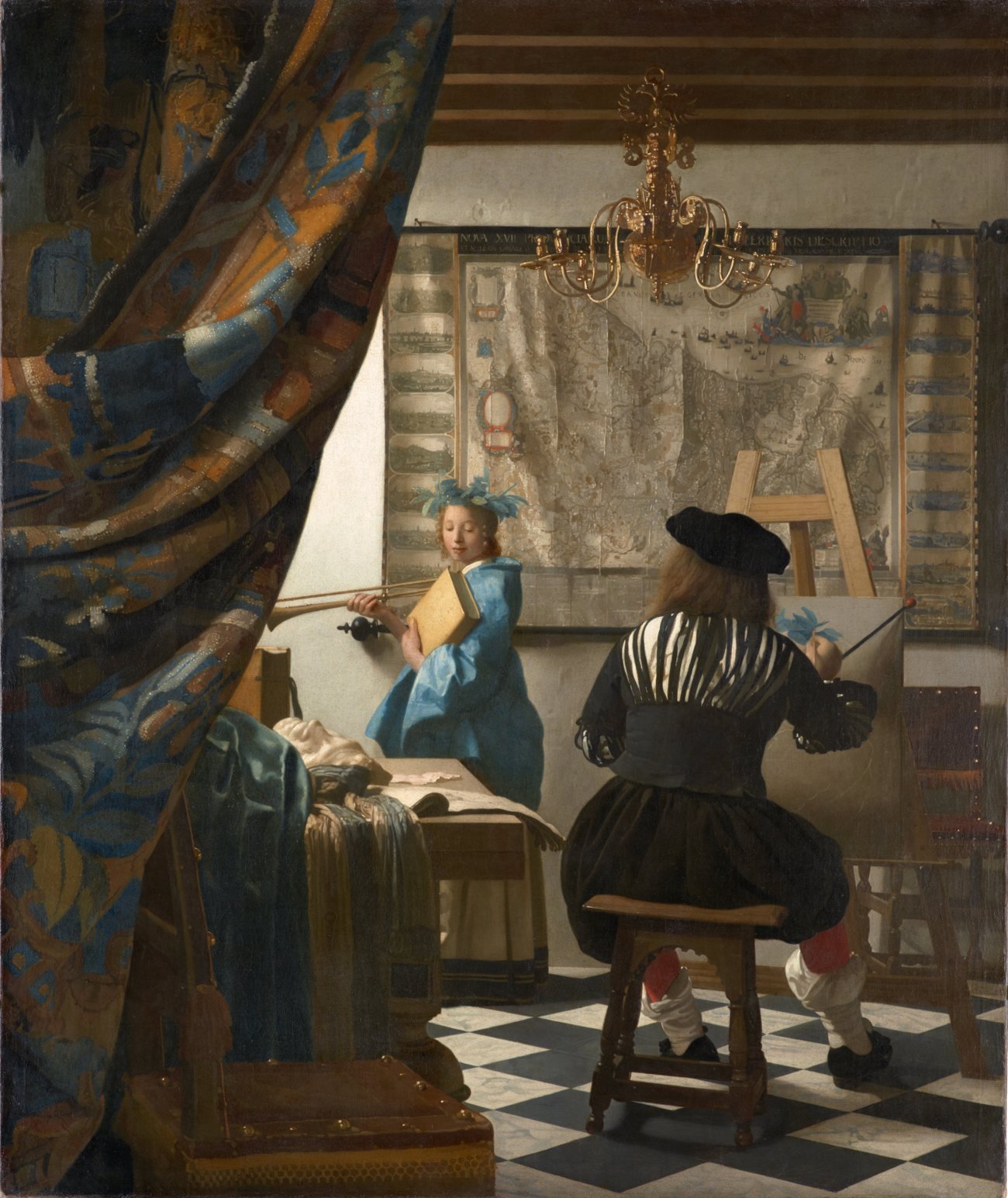
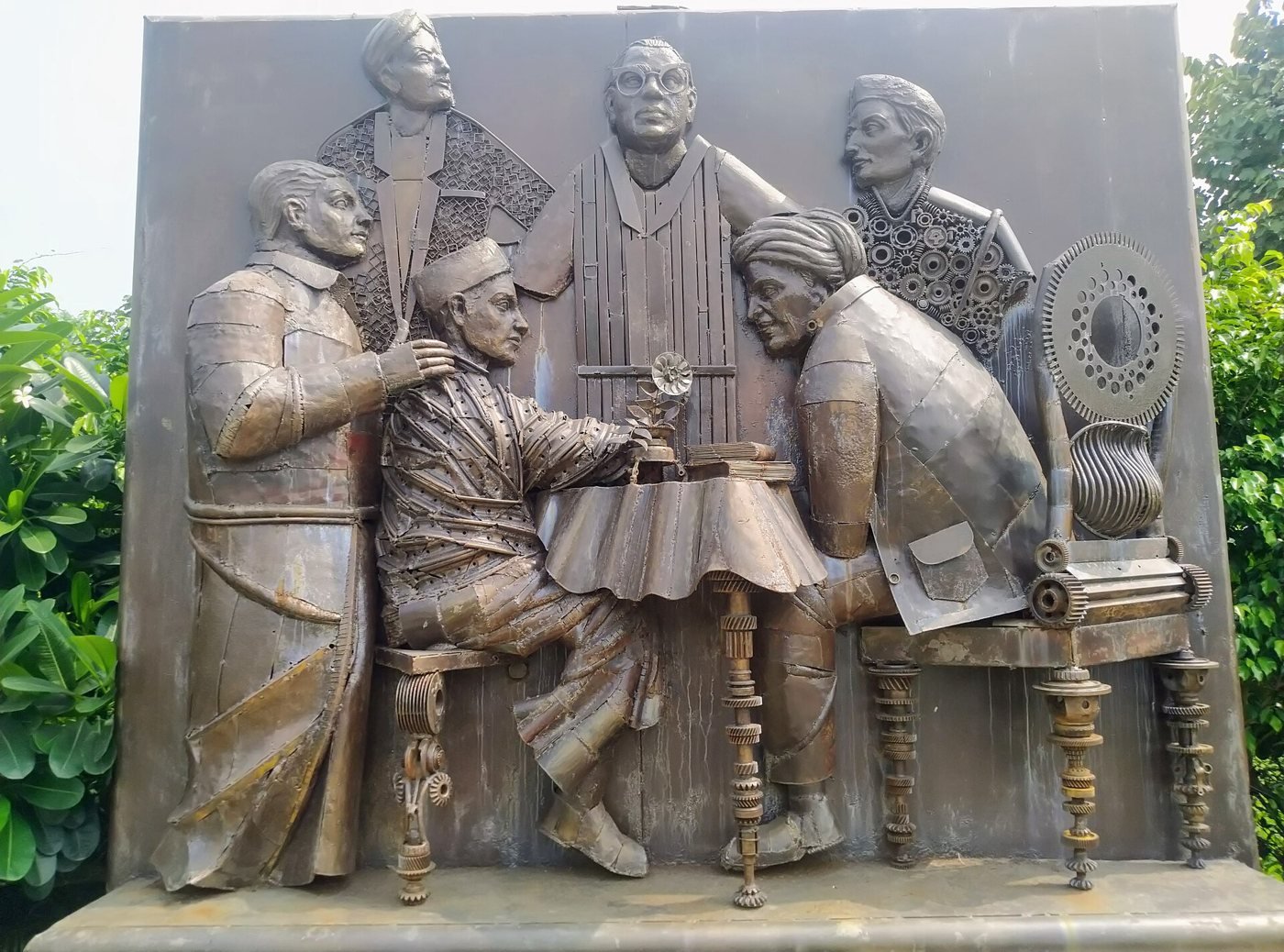
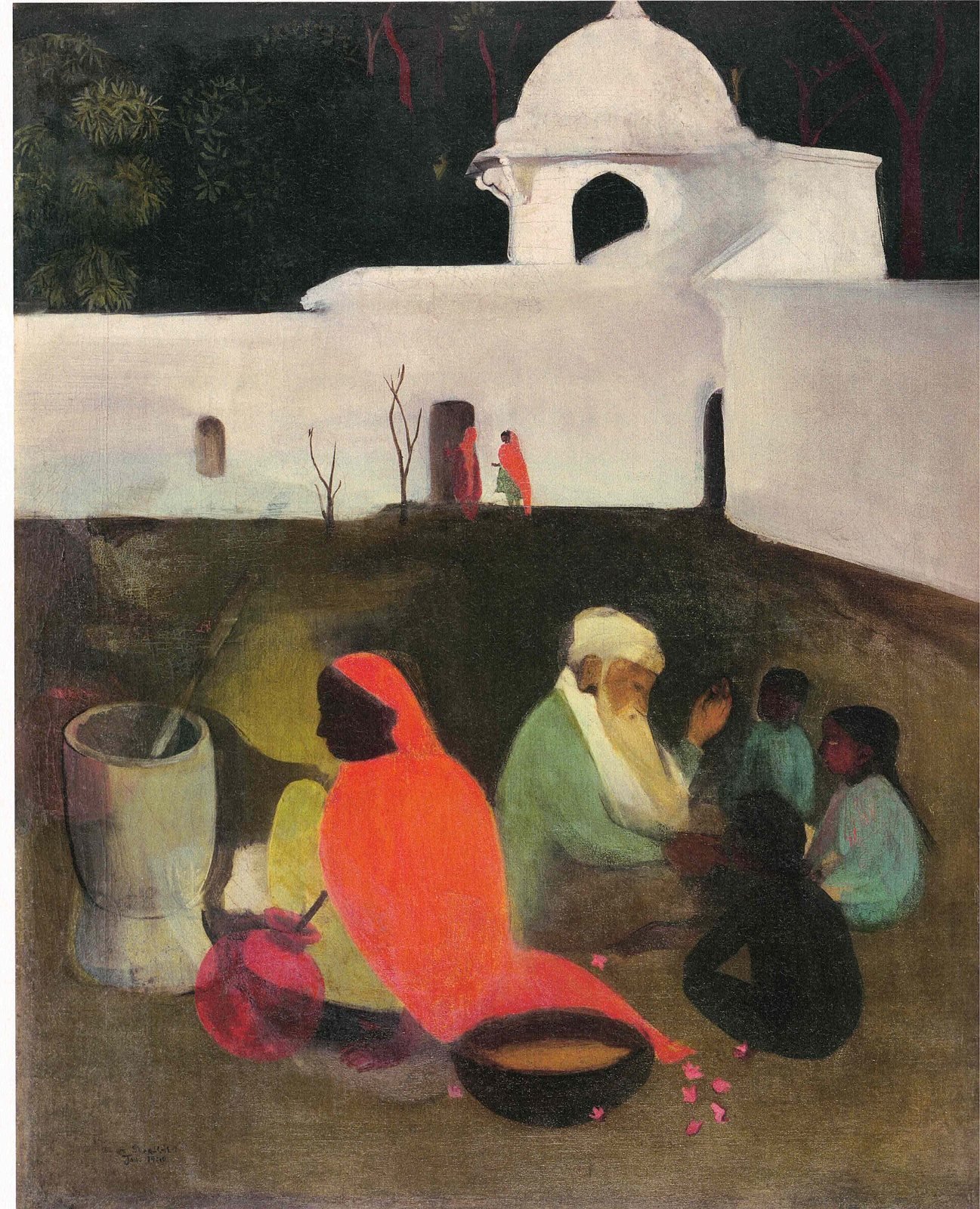
Amrita Sher-Gil, The Story Teller: women in bright clothes sit with an old man before a white-walled village shrine. Raja Ravi Varma, Galaxy of Musicians: eleven women from different regions of India, each with a musical instrument. Nicholas Roerich, The Kiss to the Earth: a bare tree on a hill above a lake, under a cloudy sky. Raja Ravi Varma, Lady Playing Swarbat: a woman in a gold sari holding a stringed instrument. Gaganendranath Tagore, Pratima Visarjan: a crowd carries a glowing idol through a dark street at night. Raja Ravi Varma, Shakuntala: Shakuntala lies in a forest clearing with her two companions, a deer behind them. Johannes Vermeer, The Art of Painting: a painter in a black beret, seen from behind, paints a model in blue holding a trumpet and a book, beside a large wall map. Black and white photograph of the young Satyajit Ray, smiling, seated in a cane chair on a step. Black and white line illustration of a dense crowd of many different people. Black and white photograph of a street film shoot: a crouching camera operator films an actor in a long coat on a tree-lined pavement while a crew member watches. A hand-painted Indian cotton hanging with a flowering tree of life on a cream ground, framed by a border of flowering vines. Black and white film still of the actor Chandra Mohan in a jewelled turban, eyes wide, with a moustache. Sepia studio portrait of a seated girl in a ceremonial silk sari and jewelled head-dress. A large metal relief sculpture of six men in early twentieth-century dress gathered around a table, built from welded scrap: gears, sheet metal and machine parts.
The Art of Painting
Johannes Vermeer, c. 1666–68
Legal assistance

Industry has lawyers, artists should too.

Independent artists rarely have the legal resources of the corporations, publishers, and platforms they deal with. The cost of pursuing a claim can leave their rights unprotected. We provide legal assistance to help artists assert and defend those rights.

Strategic litigation · Policy advocacy

Art pushes boundaries, law draws them.

Laws must keep pace with the realities of creative practice. Through strategic litigation and policy advocacy, we intend to contest laws and practices that restrict artistic freedom. We also seek to address gaps in legal protections arising from rapid technological developments.

Consultations · Education

Your art, your rights.

The complexity of the law can prevent artists from making informed decisions about their work. Through consultations and educational resources, we intend to make legal knowledge accessible and help artists exercise their rights.

Areas we help with

Our help is meant for individual artists and small collectives who can’t easily pay for a lawyer. We don’t take on work for companies that can.

If your problem isn’t listed, write to us anyway.

Contact us
  • You’re an illustrator, and a publisher sends a 20-page contract that seems to give them rights to your characters forever.

    Contracts you’ve been asked to sign

  • You’re a musician who played a corporate event three months ago, and the organiser has stopped answering your calls about the fee.

    Getting paid what you’re owed

  • You’re a photographer, and you find your image on a brand’s billboard with no credit and no payment.

    Your work used without permission

  • You’re a painter who sold a canvas outright, and the gallery now showing it has put another artist’s name on the label.

    Getting the credit you’re due

  • You’re a textile designer, and a fashion label wants to use your print for one season. You’re not sure how to set up the legal arrangement.

    Licensing your work

  • You’re an actor locked into a three-year agency deal that no longer gets you work.

    Getting out of a contract

  • You’re a painter, and another artist says your new series copies their style and threatens to sue.

    Being accused of copying

  • You’re a cartoonist, and a cartoon you posted on social media is taken down after a government order.

    Censorship and takedowns

  • You’re a writer, and someone portrayed in your piece says you’ve damaged their reputation.

    Defamation notices

  • You’re a music producer who wants to use a 1970s Hindi film song in your track.

    Checking whether you can use someone else’s work

  • You’re a costume designer on a web series. Your contract covers eight episodes, but the producer has added four more and refuses to pay for them.

    Terms of work on a production

  • You’re part of a dance duo that’s splitting up, and you can’t agree on who owns the choreography you made together.

    Disputes with collaborators

  • You’re a ceramicist opening a studio, and an investor wants a stake in your brand name.

    Agreements with investors

  • You’re a band, and you discover another group has started performing under your name.

    Protecting a name or logo

  • You’re a lyricist whose film songs now play on streaming apps and radio, but the producer says you signed away all your royalties in your contract.

    Collecting royalties

Questions people ask first

Short answers to what people usually ask first. If yours is not here, write to us.

About us

What is the Artists’ Rights Project?
The Artists’ Rights Project is a trust that offers free legal support to artists in India who cannot otherwise afford it. We also research issues that affect artists, and run workshops to help artists understand their rights.
What kinds of matters can you help with?
Legal problems that arise from making, showing or selling creative work. Our help is meant for individual artists, collectives and small arts organisations that cannot easily afford a lawyer. We do not take on matters for companies or for established artists.
Are you a law firm?
No. We are a trust. Writing to us does not create a lawyer–client relationship with us or with any lawyer. That relationship begins only when we, or one of our associate lawyers, agree to take on your matter.
What does it cost?
Our help is free. If your matter involves clerical or other incidental costs, we will tell you in advance, and you may have to bear them yourself.
How does the Project work?
We are self-funded and run by volunteers. Our capacity is limited, so while we try to help everyone who writes to us, we may not be able to take up every matter.

Writing to us

What should I send?
A short account of what happened, who else is involved, any deadlines, and copies of the documents that matter: contracts, emails, notices. It does not need to be formal.
How soon will I hear back?
We aim to reply within seven working days. If something is urgent, such as a hearing date or a notice with a deadline, say so at the top.
Will you keep what I tell you private?
Yes. We share what you tell us only with the lawyers we approach about your matter, and only as much as they need. We do not tell anyone else that you contacted us.
I am not in Delhi. Can I still write?
Yes. Most of what we do can happen over email and calls, wherever you are in India. If your matter needs a lawyer in a particular court, we will look for one there.

How it works

Who will handle my matter?
We handle matters ourselves, or with the help of associate lawyers who work in the relevant area. If we bring in an associate lawyer, we share only what they need to decide whether they can help.
Will a lawyer go to court for me?
Sometimes. Most matters are resolved with advice, a letter or a negotiation. Where a case needs to be filed or defended, we will take it on ourselves or try to find an associate lawyer who can.
Can you look at a contract before I sign it?
Yes. Send it with the date you need to sign by, and give us as much time as you can.
Someone has copied or used my work without asking. What can I do?
Write to us with where it appeared, when you first made or published your work, and anything that shows it is yours: files, drafts, posts, dates.
I have received a legal notice. What should I do?
Write to us as soon as you can, with a copy of the notice and the date you received it. Notices often carry deadlines. Do not ignore one, and do not reply in a hurry before someone has read it.

Getting involved

I am a lawyer. How do I volunteer?
Write to us with what you practise, where you are based and how much time you can give. We will send you matters that fit, and you can always say no.
Can I undertake research with you?
Yes. Anyone can, including lawyers, researchers, students and artists. Tell us how much time you can give, or pitch an idea or a project you would like to take up.
How else can I help?
Tell artists who might need us about our work.

Workshops

Can you run a workshop for our space, collective or college?
Write to us with who it is for, roughly how many people, and what they want to know.
Still have a question? Write to us.

Contact us

Development of Rights

Laws, treaties and court decisions that shaped the rights of artists in India, and a few from further afield.

How can we help?

Tell us a little about you, and we’ll take it from there. Pick one below, or write to hello@artistsrights.in.

For artists

I need legal help.

For individual artists and small collectives who can’t easily afford a lawyer. Help through us is free.

In your email, include

  1. Your name, your art form and how you practise it.
  2. Details of the legal issue or concern in a few lines, with dates if you have them.
  3. Any contract, notice, email, order or other relevant document, attached.
For lawyers and law students

I want to volunteer.

We need lawyers who will take on a matter now and then, pro bono. If you’d like to join our research or pitch an idea, write to us too.

In your email, include

  1. Your practice area and years of experience, or your year of law school if you’re a student.
  2. Where you’re based.
  3. How much time you can give.
For spaces and collectives

Workshops and anything else.

To ask about a session for your space or collective, or just to say hello.

Who reads your email

  • Anuka BachawatLawyer, Delhi
  • Madhav A.Lawyer, Delhi
  • Muskan NagpalWriter and journalist, Delhi